Classification of Face and Teeth
What are the different types of bite problems?
The classification of bites is broken up into three main categories: Class I, II, and III.
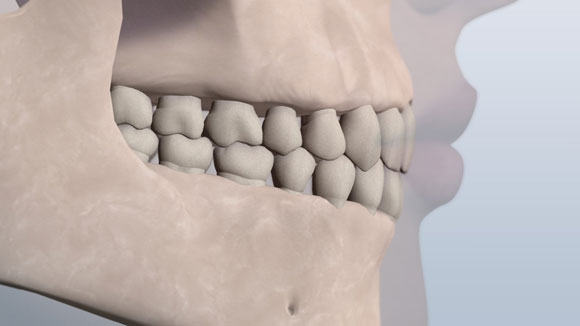
Class 1: Normal
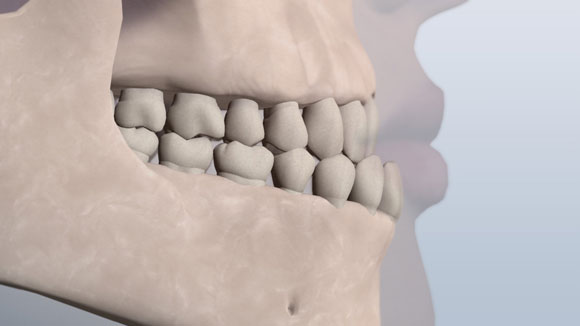
Class I is a normal relationship between the upper teeth, lower teeth, and jaws or a balanced bite.

Normal

Crowding

Spacing
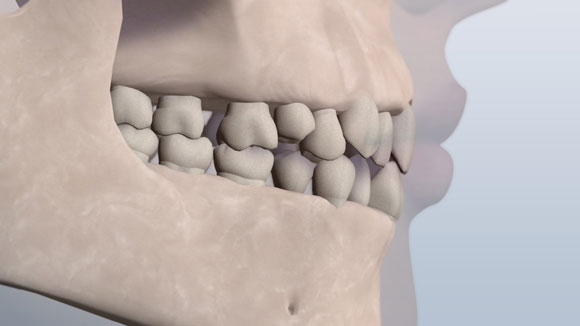
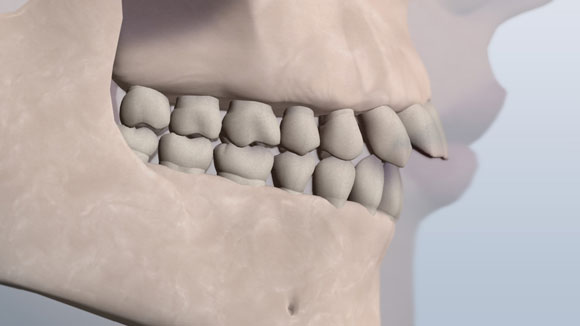
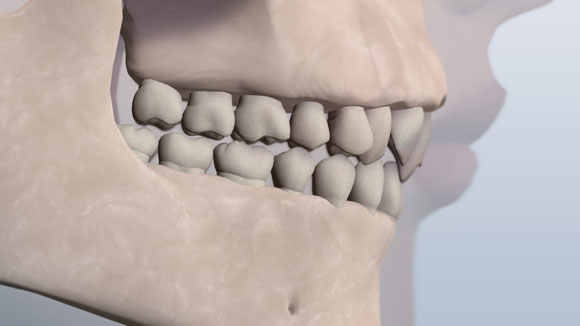
Class II: Overbite
Class II is where the lower first molar is posterior (or more towards the back of the mouth) than the upper first molar. In this abnormal relationship, the upper front teeth and jaw project further forward than the lower teeth and jaw. There is a convex appearance in profile with a receding chin and lower lip. Class II problems can be due to insufficient growth of the lower jaw, an overgrowth of the upper jaw, or a combination of the two. In many cases, Class II problems are genetically inherited and can be aggravated by environmental factors such as finger sucking. Class II problems are treated via growth redirection to bring the upper teeth, lower teeth, and jaws into harmony.

Division 1

Division 2
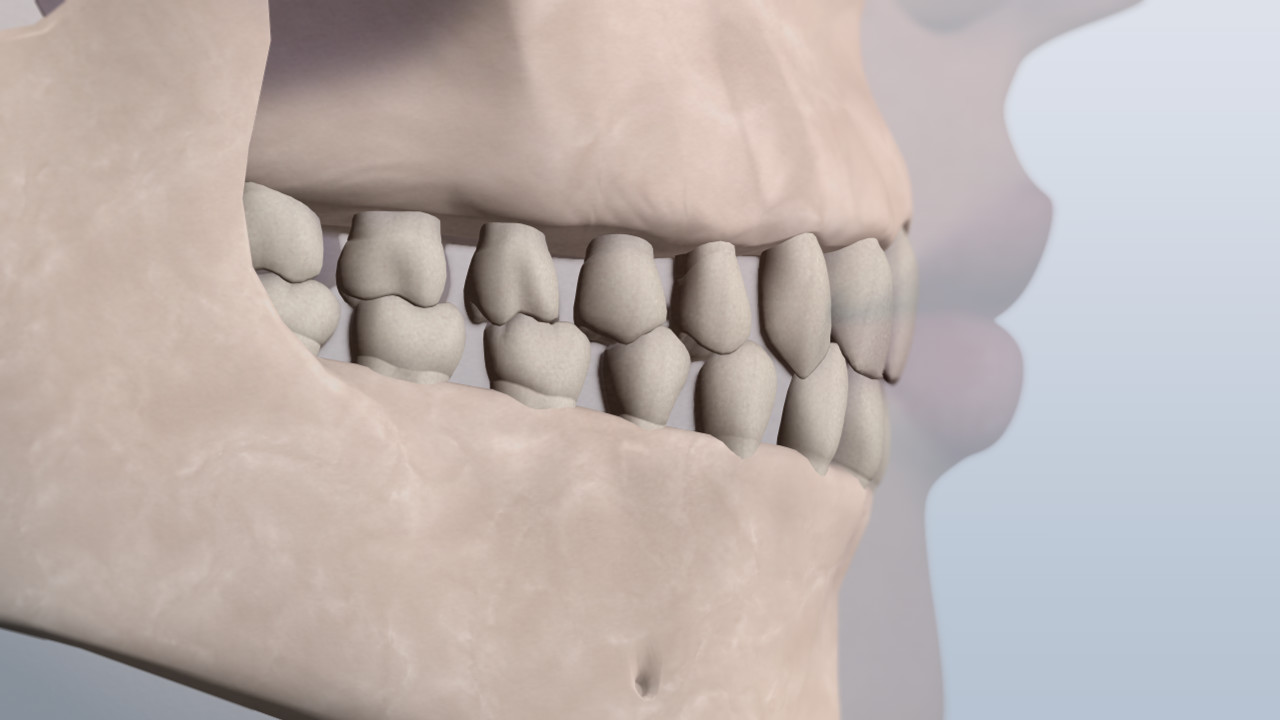
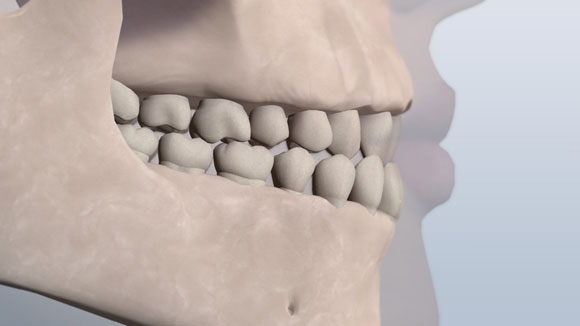
Class III: Underbite
Class III is where the lower first molar is anterior (or more towards the front of the mouth) than the upper first molar. In this abnormal relationship, the lower teeth and jaw project further forward than the upper teeth and jaws. There is a concave appearance in profile with a prominent chin. Class III problems are usually due to an overgrowth in the lower jaw, undergrowth of the upper jaw, or a combination of the two. Like Class II problems, they can be genetically inherited.
Skeleton
Dental

Get The Smile You've Always Wanted
Discover our range of braces designed to straighten your teeth effectively and comfortably. Don't wait any longer to achieve the smile you've always wanted.
What are the different types of facial malocclusions?
It is not sufficient to categorize orthodontic malocclusions based on a classification of the teeth alone. The relationship with other craniofacial structures must also be taken into consideration.
Class 1:
Maxillary-Mandibular Dental Protrusion — Teeth
This is an example of a dental malocclusion that may require the removal of teeth for correction.
Maxillary-Mandibular Dental Retrusion — Teeth
This is an example of a dental malocclusion that may be treated with expansion rather than removing teeth.
Class 2:
Maxillary Dental Protrusion — Teeth
This is an example of a dental malocclusion that may require the removal of teeth for correction.
Mandibular Retrognathism — Jaws
The lower jawbone has not grown as much as the upper jaw. This example of a Class II malocclusion demonstrates the need for early growth guidance.
Maxillary Dental Protrusion — Teeth & Mandibular Retrognathism — Jaws:
These Class malocclusions are more difficult to treat due to the skeletal disharmony and may require orthognathic surgery in conjunction with orthodontic treatment.
Class 3:
Mandibular Dental Protrusion — Teeth
The lower teeth are too far in front of the upper teeth. This malocclusion is treated with orthodontic procedures, which may require the extraction of teeth due to the dental protrusion.
Mandibular Prognathism — Jaws
The lower jawbone has outgrown the upper jaw. This malocclusion is more difficult to treat due to the skeletal disharmony and may require orthognathic surgery in conjunction with orthodontic treatment.